Move the Air, Move Your Home

Today we dive into gesture and presence sensing controls for touchless living spaces, where radar, vision, and ambient sensors translate simple waves, holds, and proximity into precise actions. Discover how intuitive motion, hygienic convenience, and accessibility reshape lighting, climate, entertainment, and security while protecting privacy and delighting everyone. Stay with us, ask questions, and imagine your daily routines transformed.

A New Ritual of Motion at Home

Step into a room and let the environment anticipate you: lights rise as your presence is detected, air adjusts with a gentle sweep, and music pauses with a patient hover. These effortless motions reduce contact, support inclusivity, and turn ordinary routines into graceful, confidence‑building moments that feel magical yet dependable every single day.

Choosing the Right Sensing Mix

Every home presents different acoustics, reflections, pets, and clutter, so the best results come from a thoughtful blend of sensors with complementary strengths. Layer near‑field precision over broad presence awareness, gate actions by confidence, and favor low‑power devices in always‑on roles, keeping responsiveness high without sacrificing reliability, privacy, or budget.


Designing Gestures People Actually Use

Success lives where discoverability meets comfort. Motions must be simple, distinct, and forgiving when hands are full, wet, or gloved. Consistency across rooms matters, as does the ability to learn quickly and recover gracefully. Favor gestures that feel human, not theatrical, inviting daily use rather than occasional demos for visitors.

Privacy, Consent, and Safety by Design

Trust grows when control is visible, data is minimized, and safeguards are built‑in. Keep computation local whenever possible, encrypt everything that leaves, and publish clear retention policies. Offer pause controls, visible indicators, and guest modes. Design so a power outage or sensor failure fails safe, not silent or dangerous.

Minimize, Obfuscate, and Keep It Local

Favor on‑device inference on compact features rather than storing raw imagery or waveforms. Rotate ephemeral ring buffers, apply quantization and noise, and aggregate statistics instead of identities. Use secure enclaves, audited firmware, and open documentation so experts can verify claims. These habits protect households while preserving responsive, delightful interactions and learning.

Clear Signals and Guest Modes

LED markers, soft sounds, and screen icons should announce when sensing is active, recording is disabled, or privacy timers are running. Guests can scan a code to grant temporary access and view controls. A universal pause gesture, schedules, and physical overrides restore agency instantly, preventing awkward surprises during visits or quiet evenings.

Security Hardening for Calm Living

Treat sensors like networked computers: update firmware, sign builds, and rate‑limit commands. Defend against replay, jamming, and spoofing with rotating keys and sensor cross‑checks. Maintain audit logs locally with privacy filters. Ensure critical systems retain manual control paths so safety functions continue even when networks fail or credentials are compromised.

Stories from Kitchens, Bedrooms, and Halls

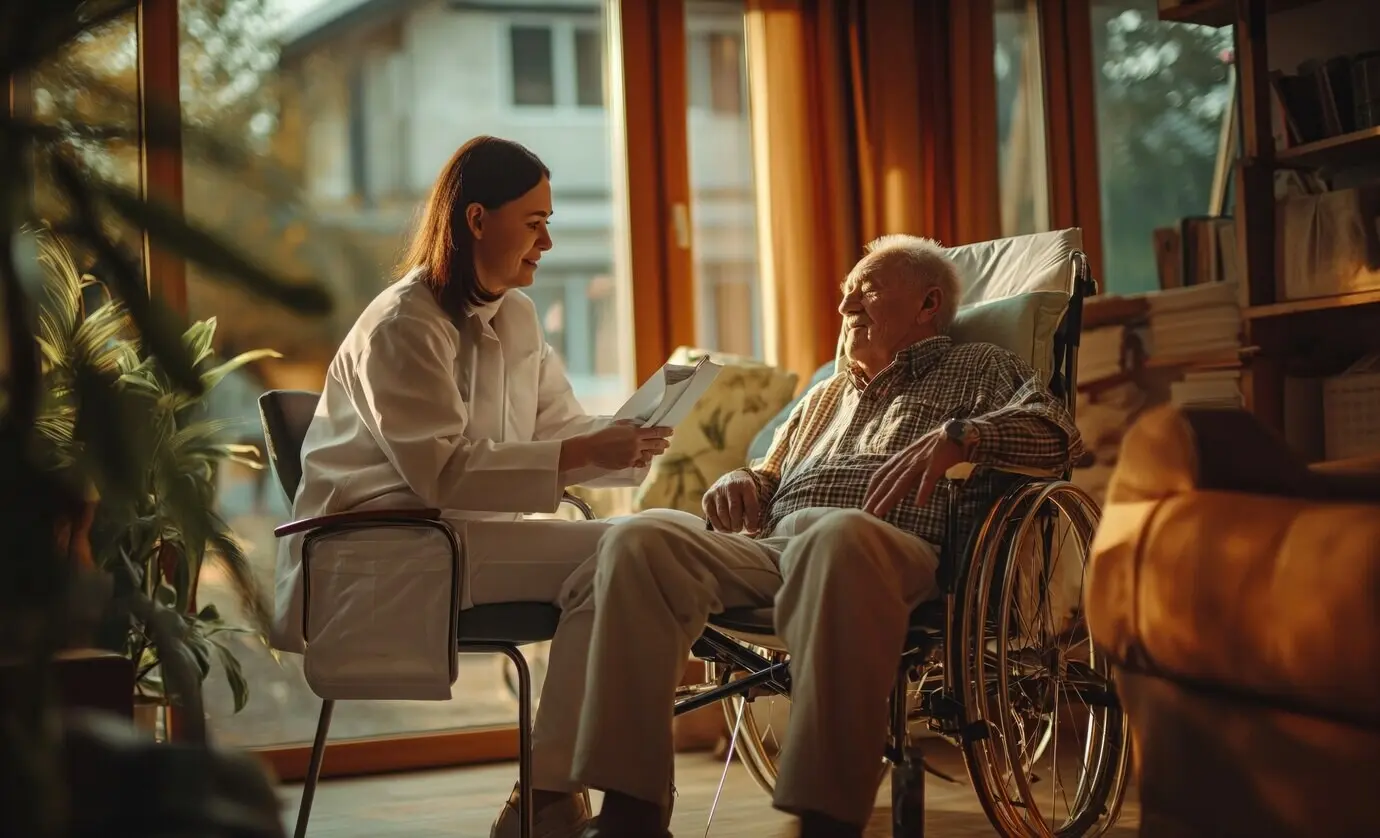
Real moments reveal value. A chef waves with dough‑covered hands and the faucet wakes. A parent leans in at midnight and the hallway glows low, guiding steps without glare. An elder pauses on the landing and rails brighten, offering calm assurance without summoning help unless needed.

Placement, Power, and Materials

Mount sensors where motion is intentional, not where traffic simply passes. Avoid mirrored surfaces and metal edges that cause reflections. Prefer ceiling corners for broad presence, near‑fixture positions for precise gestures, and wired power where responsiveness matters most. Battery devices can steward standby detection and wake heavier processors responsibly.

Data, Datasets, and Fairness

Collect examples across ages, heights, clothing styles, mobility aids, and pets to minimize bias. Label carefully, combine real and simulated sequences, and test in seasons with open windows and fans. Measure performance per group, not just overall averages, and iterate until reliability feels even and respectful across your entire household.
Levexetolatekipakuxofu
Privacy Overview

This website uses cookies so that we can provide you with the best user experience possible. Cookie information is stored in your browser and performs functions such as recognising you when you return to our website and helping our team to understand which sections of the website you find most interesting and useful.